Short answer: Seasonal maintenance works best as a short inspection of water, air, safety, and access. Find small leaks, blocked drainage, expired alarms, and dirty filters before weather or equipment demand makes them urgent. We would rather find a small change early and know when to stop than turn every home check into a repair project. Safe observation is already useful maintenance.
Use four inspection lanes
Walk the home looking for water movement, airflow, heat or cold loss, and safety equipment. The same four lanes work in an apartment, rental, townhouse, or detached home; only the responsibility for repairs changes.
Put recurring checks on a calendar
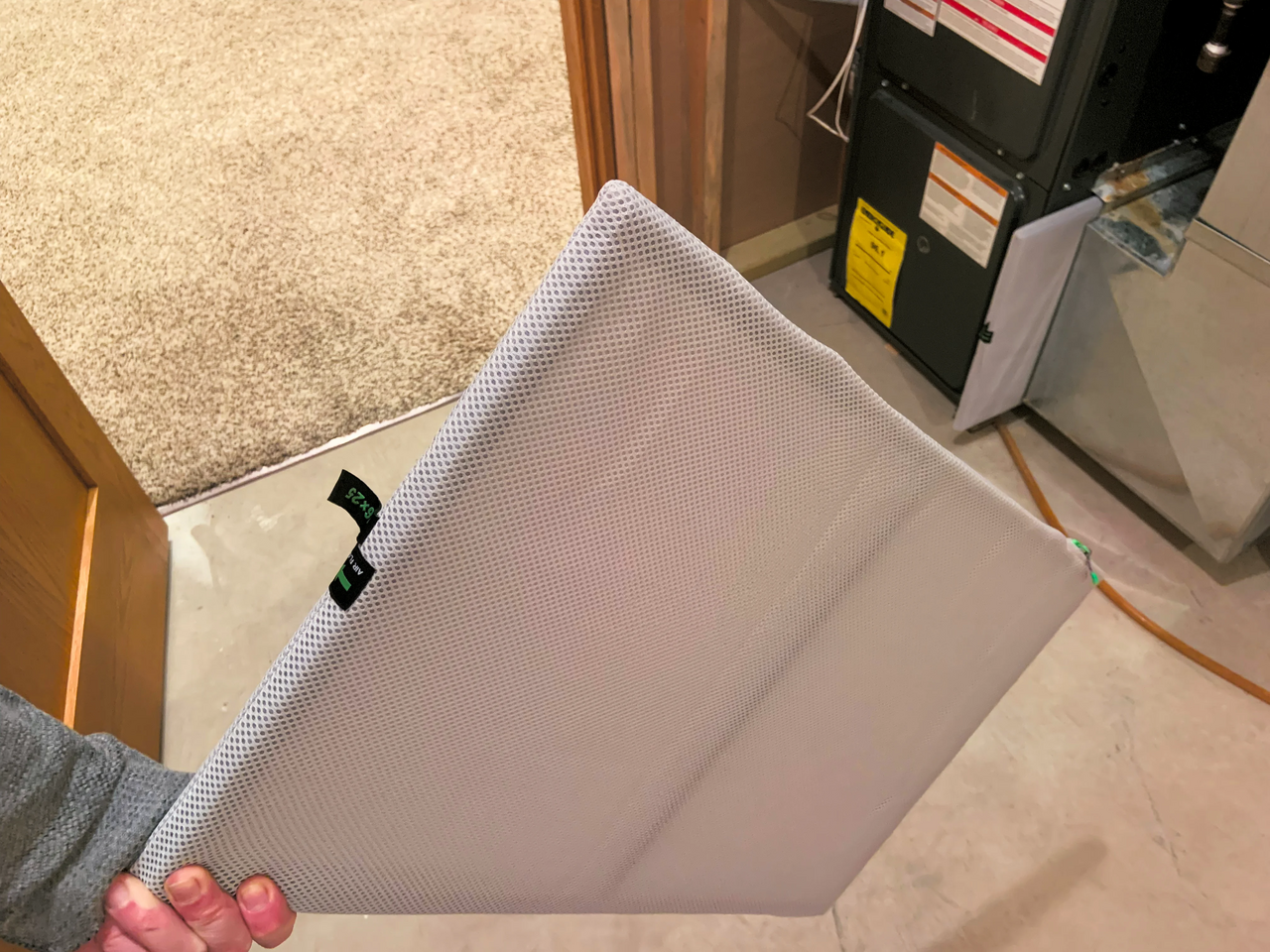
Filters, alarm tests, gutters, weather seals, appliance care, and outdoor drainage are easier to remember when tied to the season rather than a vague promise to do them later.
Keep a simple record
Note the date, what you saw, the model or location, and the next action. Photos help landlords, technicians, and future you understand whether a condition is changing.
Use this checklist
- Spring: inspect drainage, screens, exterior seals, HVAC filters, and water-entry points.
- Summer: check cooling airflow, shaded equipment, irrigation, and condensation.
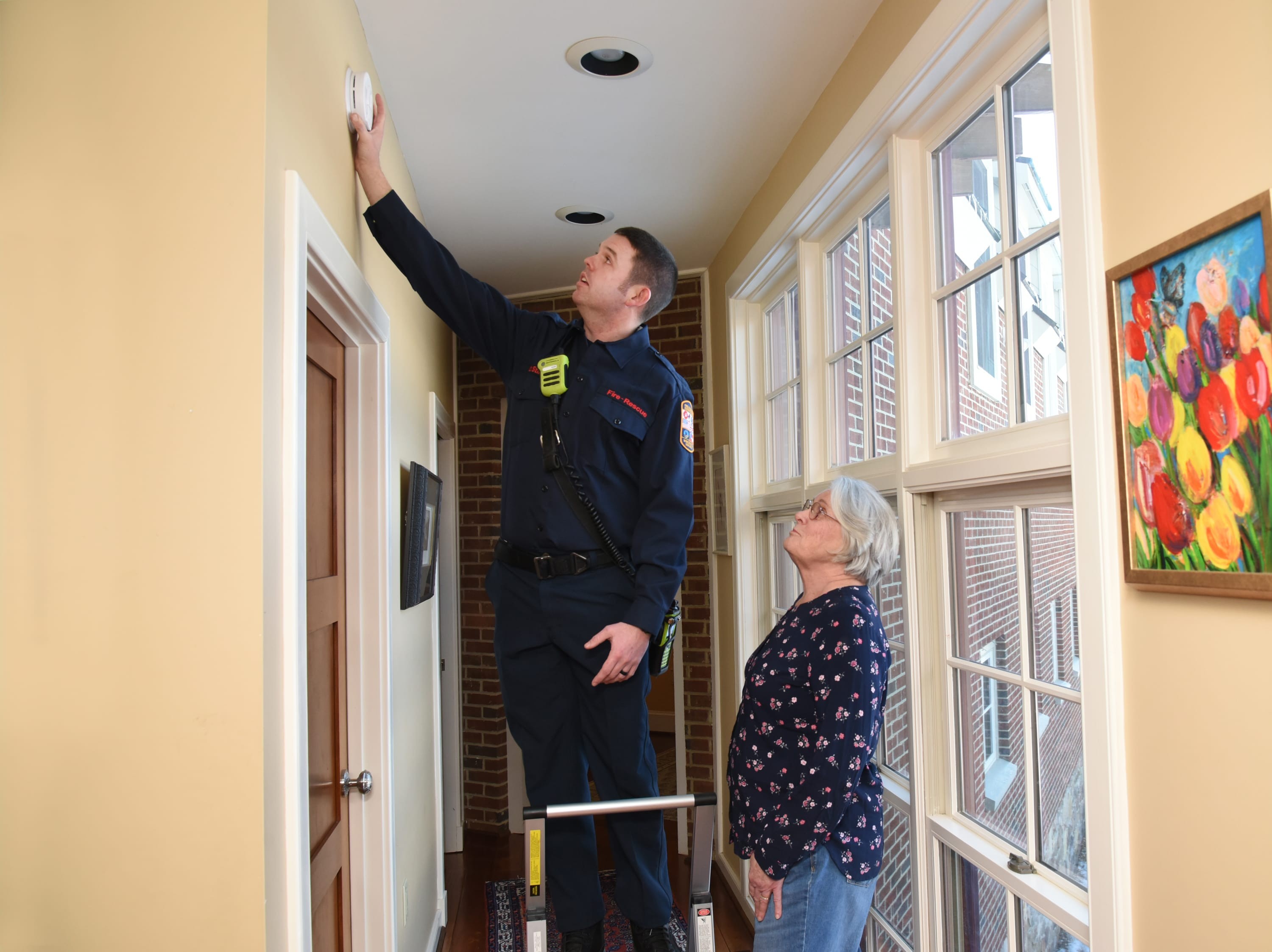
- Fall: test alarms, inspect heating equipment, clear leaves from drainage, and seal drafts.
- Winter: watch for frozen pipes, roof or ice damage, indoor condensation, and blocked vents.
When to stop
- Do not open gas, refrigerant, electrical, or sealed combustion equipment.
- Repeated breaker trips, scorching, buzzing, gas odor, or carbon monoxide alarm activity require immediate escalation.
- If a leak is active, protect people and belongings first, then use the nearest safe shutoff or call for help.
Sources
These official references were used for the factual guidance and limits above.