Short answer: Look for heat, damage, looseness, overloading, and cords placed where they can be pinched. Basic inspection is safe; opening outlets, panels, or appliances is not a casual maintenance task. We would rather find a small change early and know when to stop than turn every home check into a repair project. Safe observation is already useful maintenance.
Start at the outlet
Plugs should fit securely, cords should be intact, and the outlet or plug should not feel hot, smell burnt, buzz, or spark during normal use. A loose or warm outlet is a warning, not a nuisance.
Match the load to the equipment
Major appliances should use the outlet and circuit arrangement specified by the manufacturer. Do not treat a power strip or extension cord as a permanent solution for a high-load appliance.
Keep cords visible and undamaged
Avoid routing cords under rugs, through pinched doors, or where furniture can crush them. Replace damaged cords or equipment rather than taping over a serious defect.
Use this checklist
- Inspect cords, plugs, outlets, and power strips for cuts, heat, looseness, or discoloration.
- Keep major appliances directly connected as the manufacturer requires.
- Use overload-protected power strips only for appropriate low-load devices.
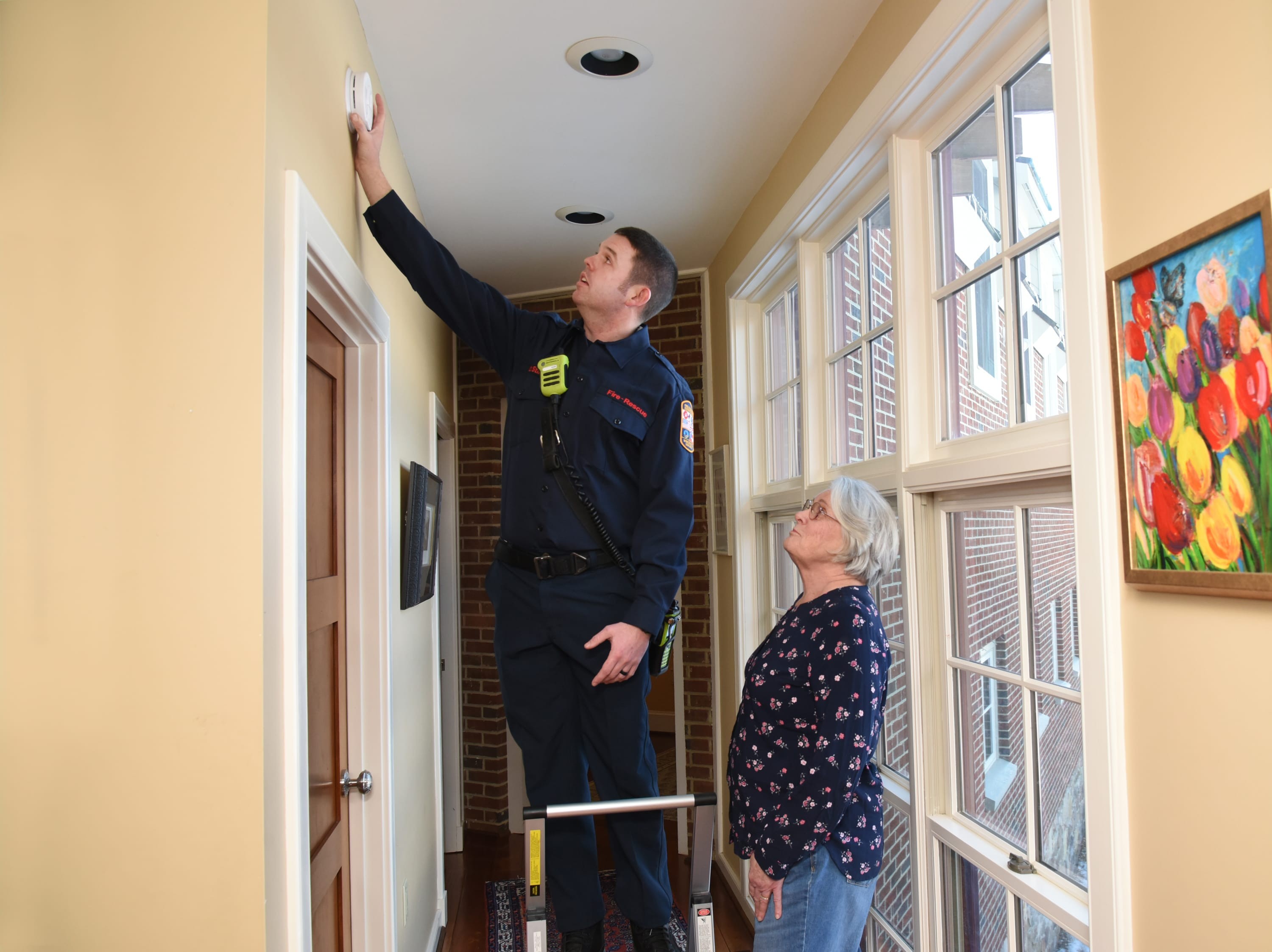
- Test smoke and carbon monoxide alarms according to the manufacturer and local guidance.
When to stop
- Do not remove an outlet cover or open a breaker panel unless qualified and authorized.
- Turn off use and get help for burning smell, smoke, buzzing, repeated trips, or a hot outlet.
- Never force a three-prong plug into a two-slot outlet or defeat a safety feature.
Sources
These official references were used for the factual guidance and limits above.