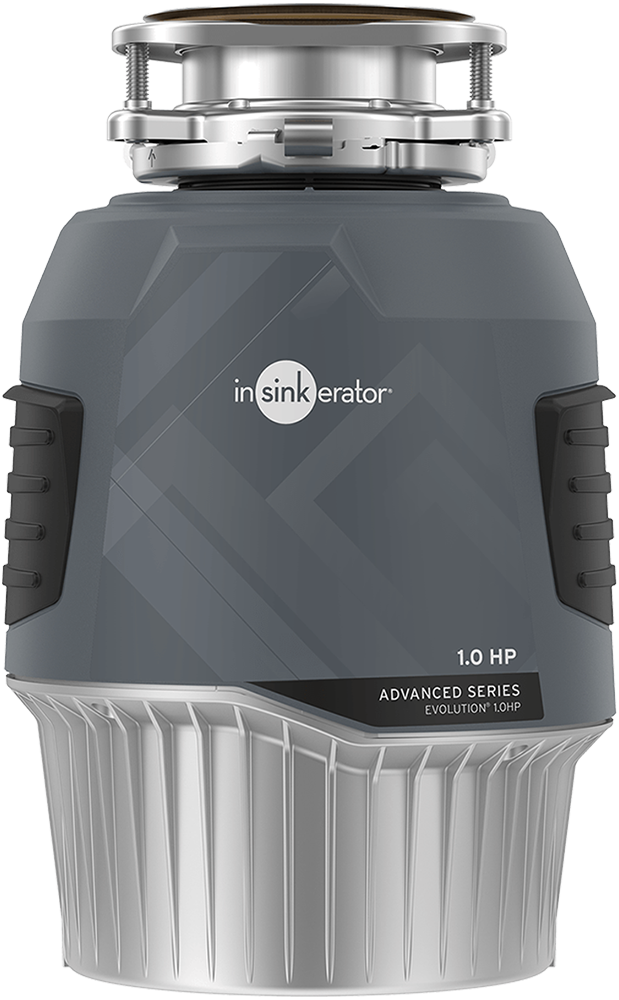
Short answer: Measure the opening, the appliance itself, the door swing, ventilation space, utility connections, and every turn from delivery entrance to final position. A product that fits the cabinet can still fail at the doorway. We would prioritize fit, cleanability, and safe food handling over a gadget’s feature count. A kitchen improvement earns its place when it removes a repeated annoyance.
Measure the opening in more than one place
Record width at the top, middle, and bottom; height at both sides; and depth from the wall to the front edge. Uneven floors, trim, handles, and countertop lips can change the usable opening.
Check the moving parts
Refrigerator doors, dishwasher doors, range doors, and drawer fronts need room to open. Record the hinge side, nearby walls, islands, and walkways before trusting a headline dimension.
Trace the delivery path
Measure the entry door, hallway, elevator, stair turns, and the final approach. Include packaging removal, protective floor coverings, and the installer’s required access.
Use this checklist
- Write down opening width, height, depth, and the narrowest point on the delivery path.
- Confirm electrical, gas, water, drain, ventilation, and anti-tip requirements from the exact manual.
- Check door swing, handle projection, adjacent cabinets, and service access.
- Keep the model number and installation guide with the measurement notes.
When to stop
- Do not guess about gas, electrical, water, or structural requirements.
- Do not remove a wall, cabinet, door, or trim to force a fit without professional assessment.
- If the manual and retailer listing disagree, follow the exact manufacturer installation documentation.
Sources
These official references were used for the factual guidance and limits above.