Short answer: A useful cleaning schedule separates high-contact and food areas from low-risk jobs. Reset the mess daily, clean the kitchen and bathroom on a weekly rhythm, and rotate deeper tasks monthly or seasonally. We think repeatability beats a perfect one-off clean. The best routine is the one that still works on a busy week and protects the surfaces or people that actually need attention.
Start with the jobs that change fastest
Food spills, bathroom moisture, litter, pet hair, and items that block walkways deserve attention before decorative dusting. A short daily reset protects the next day from becoming a bigger project.
Use a four-speed schedule
Daily work keeps surfaces usable; weekly work handles soil and odor; monthly work reaches filters, edges, and neglected handles; seasonal work covers windows, storage, and equipment that is not used every day.
Make the routine fit the home
The right schedule changes with pets, children, allergies, cooking frequency, climate, and the number of people using a room. Treat the list as a starting point, not a test of character.
Use this checklist
- Daily: clear food waste, wipe obvious spills, reset the kitchen and main walking paths.
- Weekly: clean the toilet, shower touchpoints, kitchen work surfaces, floors, and pet areas.
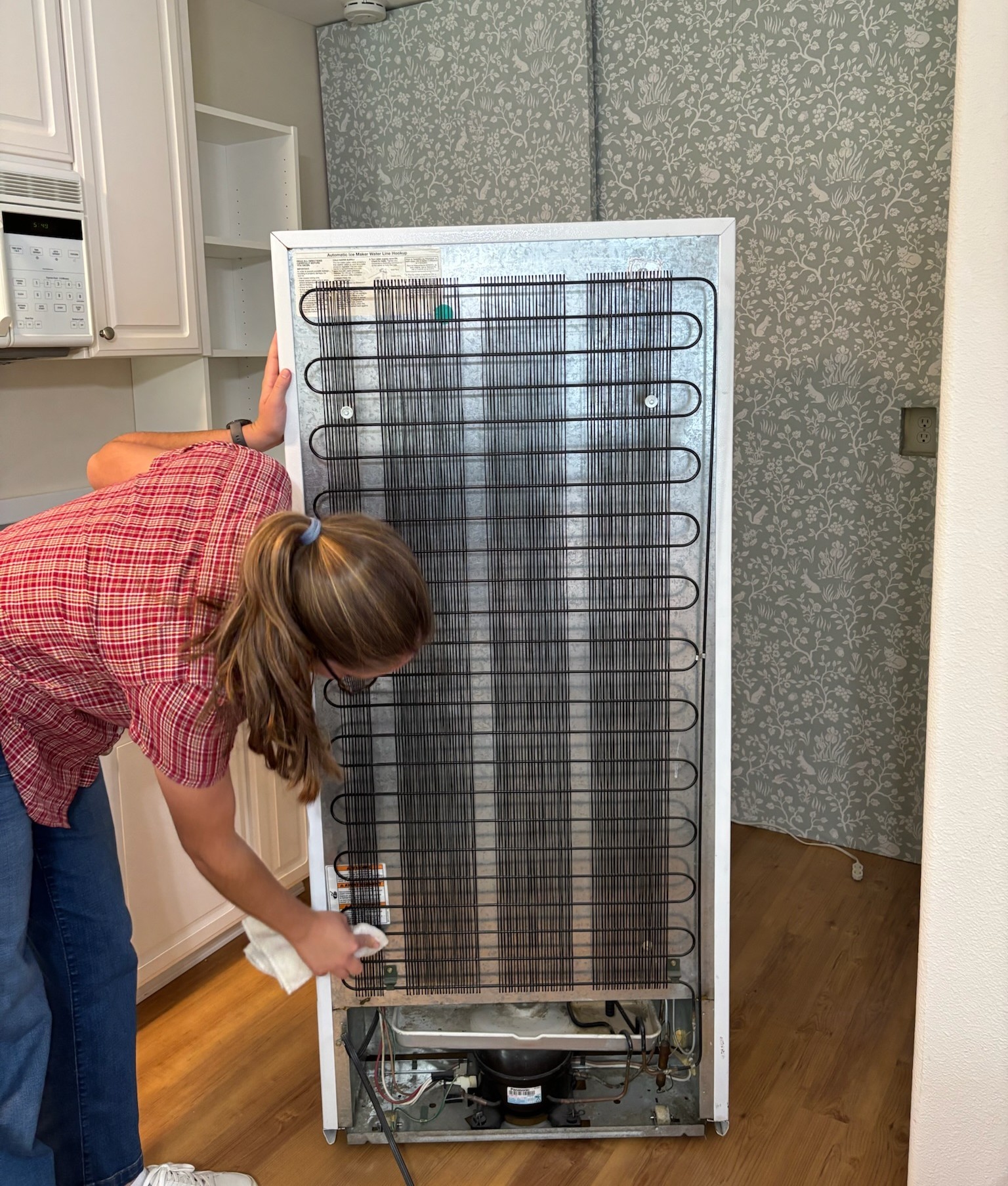
- Monthly: dust high surfaces, clean appliance edges, inspect supplies, and wash washable soft goods.
- Seasonally: inspect windows, vents, outdoor entryways, storage, and moisture-prone corners.
When to stop
- Never mix bleach with vinegar, ammonia, acids, or another cleaner.
- Stop if a product label, surface material, or ventilation condition is unclear.
- Persistent dampness, hidden mold, sewage odor, or unsafe electrical equipment needs qualified help.
Sources
These official references were used for the factual guidance and limits above.