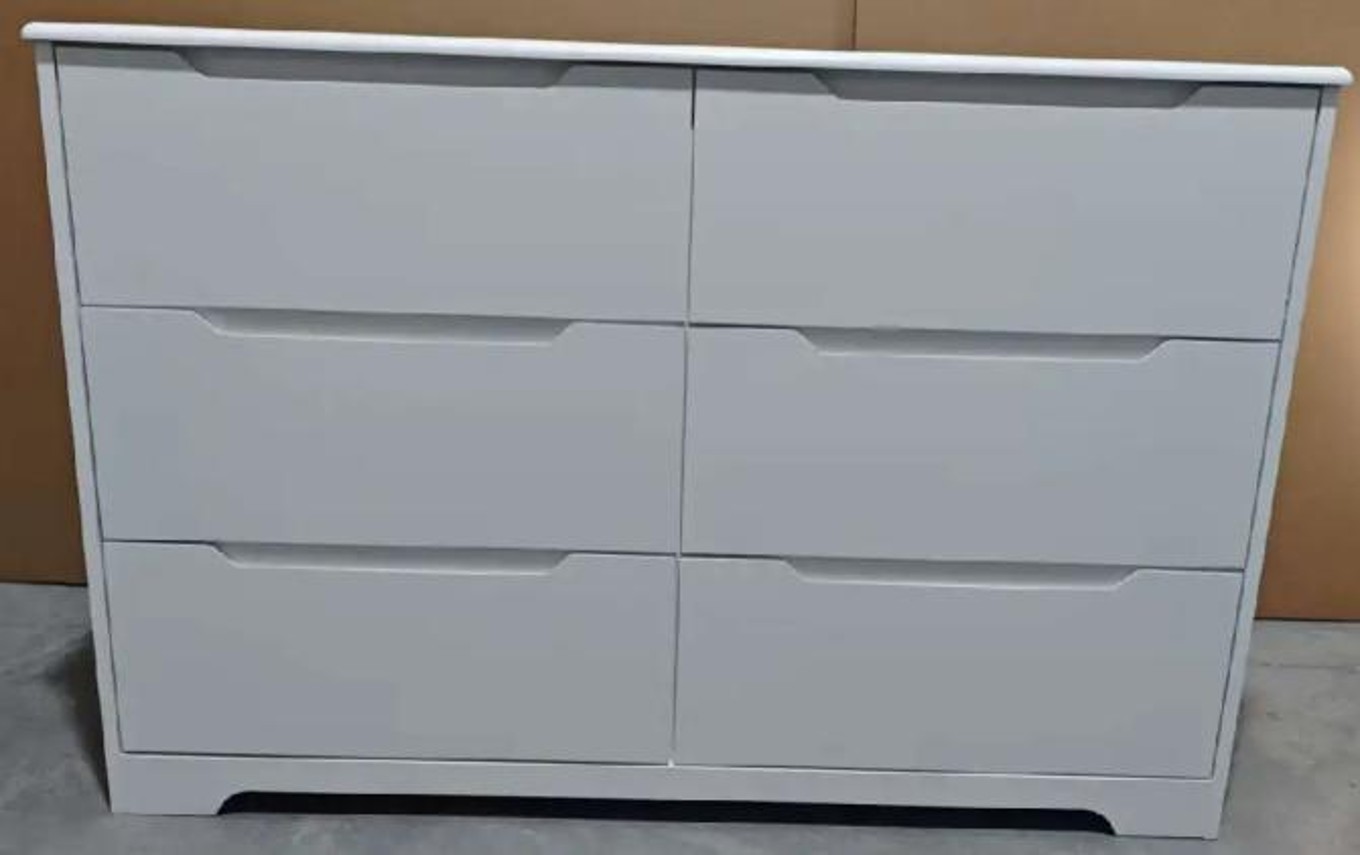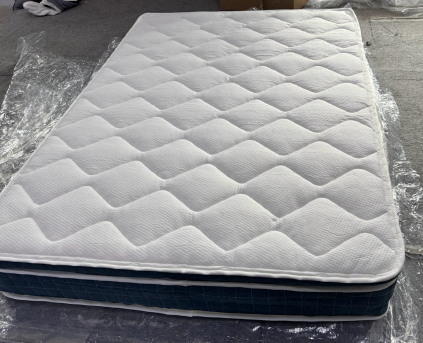
Short answer: Put the most-used items at the easiest reach, group clothes by the way you get dressed, and create a clear path for laundry. A system lasts when returning an item takes fewer steps than leaving it out. We would remove friction from sleep, storage, and the first ten minutes of the morning before chasing a perfect bedroom aesthetic.
Empty one zone, not the whole life
Start with one rod, drawer, or shelf and keep the purpose visible. Sort what belongs there into keep, relocate, repair, donate, and undecided without buying containers first.
Organize by behavior
Some people dress by garment type, others by work, sport, season, or outfit. The best grouping is the one that reduces searching and makes laundry return obvious.
Leave operating room
A full rod, overstuffed drawer, or blocked floor becomes a permanent friction point. Keep space for new laundry, changing seasons, and the hanger or bin needed to put something away.
Use this checklist
- Remove obvious trash, broken hangers, and items that belong in another room.
- Place daily-use pieces between shoulder and knee height when possible.
- Create a visible hamper and a return path for clean laundry.
- Review the zone after one week and remove any step you repeatedly avoid.
When to stop
- Do not overload shelves, rods, or wall anchors beyond their rated capacity.
- Secure tall furniture and mirrors where children or pets can tip or pull them.
- Do not force a storage product into a damp closet or against a blocked vent.
Sources
These official references were used for the factual guidance and limits above.