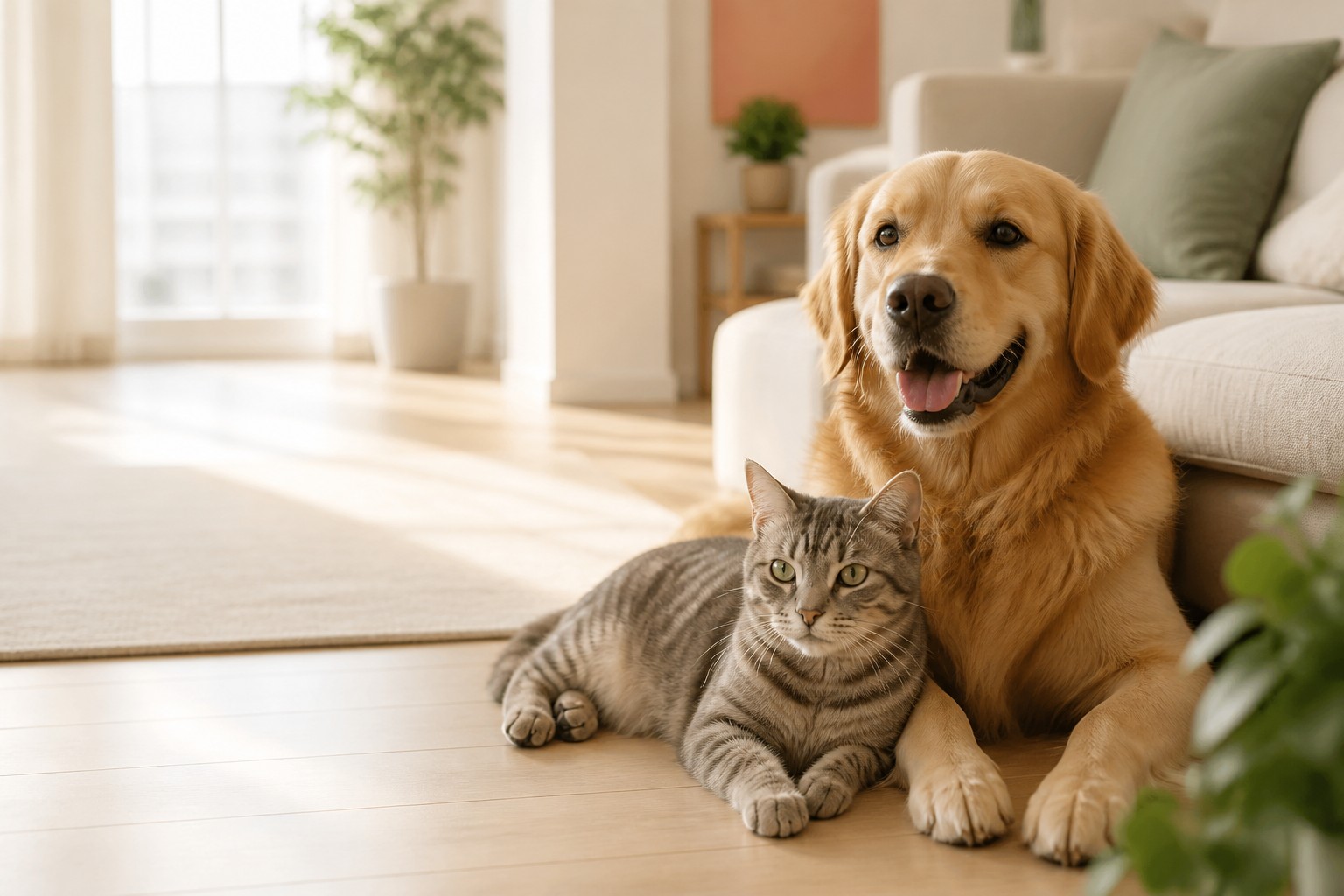
Indoor enrichment is about choice, not constant stimulation. Cats need places to feel safe, opportunities to climb and observe, ways to perform small hunting behaviors, and predictable access to food, water, litter, sleep, and social contact. Rotate simple options and let the cat decide what feels good. We would give the cat choice, predictable resources, and a safe retreat before adding more toys. The animal’s normal behavior is the best baseline for noticing change.
Start with a safe retreat
Provide a quiet bed, covered hide, or room where the cat can withdraw without being followed. VCA's environmental-needs guidance emphasizes safe places and resources that match a cat's needs. Keep the retreat away from loud appliances and make sure other pets or children cannot block the exit.
Separate key resources
Place food, water, litter boxes, scratching surfaces, resting areas, and play zones so one resource does not trap or intimidate another. Some cats prefer water away from food and litter away from busy hallways. Observe the cat's route and move resources gradually instead of forcing a sudden redesign.
Add vertical space and hunting play
A stable cat tree, shelf, window perch, or cleared bookcase adds choice and lets a cat survey the room. Use wand play, tossable toys, and food puzzles to create short hunt-catch-eat-rest sequences. Put toys away when unsupervised if strings, feathers, or small parts could be swallowed.
Use consent as a behavior tool
Offer a hand to sniff, pause during petting, and stop when the cat turns away or shows tension. Rotate scents and textures one at a time, and reward calm exploration. A sudden change in hiding, appetite, litter use, grooming, or aggression can indicate pain or illness, so arrange a veterinary check rather than assuming the cat is simply bored.
The bottom line
Use this guide as a practical starting point, then adjust for the individual animal, life stage, health history, and advice from a qualified veterinarian when health or appetite changes are involved.
Sources
These primary care and welfare references were inspected for the guidance above.